跳至主要内容
本页面仅提供英文版本。

Insights & Updates

ASEAN flavour trends, reformulation for salt and fat reduction, halal and FSSC regulatory notes, and company milestones. From Singapore's original flavour house.
A hand lifting a capped glass vial of amber liquid from a rack of sample vials, one with a purple cap
Regulation13 min read

Self-declaration of imported flavourings in Vietnam under Decree 15/2018

Under Article 4(1) of Decree 15/2018/ND-CP, organisations and individuals producing or trading food self-declare food additives, together with prepackaged processed foods, processing aids, food containers and packaging materials in direct contact with food, except the products exempted by Article 4(2) and those that need registration under Article 6. Decree 155/2018/ND-CP replaced the publication step in Article 5(2)(a) and repealed Article 5(2)(c). Circular 24/2019/TT-BYT defines a flavouring as a substance within the food additive group. Circular 24/2019 Article 11(1) requires food additives to be self-declared before being placed on the market, except those covered by Article 11(2) of the Circular or Article 4(2) of Decree 15/2018. Resolution 15/2026/NQ-CP keeps Decree 15/2018 in effect while Decree 46/2026/ND-CP is suspended.
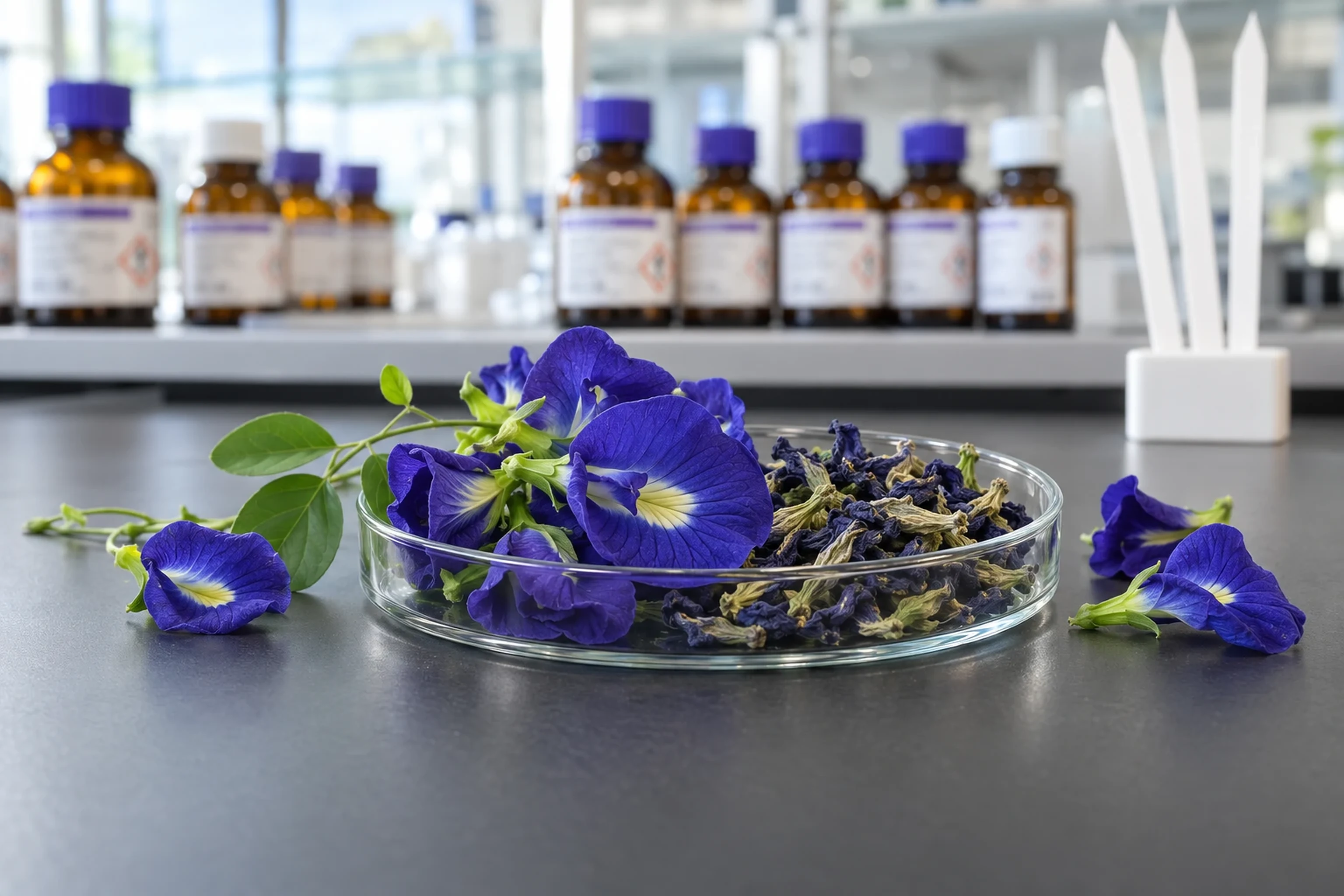
Fresh blue butterfly pea flowers beside a glass dish of dried flowers on a laboratory bench
Regulation8 min read

Butterfly Pea Flower Colour: Rules, Labels and Supplier Questions

In the US, butterfly pea flower extract is a colour additive listed in 21 CFR 73.69 (eCFR version of 6 October 2026) for a defined set of foods. Searches of the EU food additive regulation and Union list of novel foods (August 2026 consolidations) found no matches for "ternatea", "clitoria", "butterfly" or "blue pea", and the Commission's non-binding Novel Food status Catalogue, latest update 8 May 2023 and read on 11 October 2026, gives the flowers the status "NOT NOVEL IN FOOD SUPPLEMENTS". Thailand's FDA names it, as อัญชัน, on its list of plants or animals permitted for colour extracts, updated 24 July 2026 (our translation; Buddhist Era date converted). This guide sets out what each text says and what to ask a supplier.

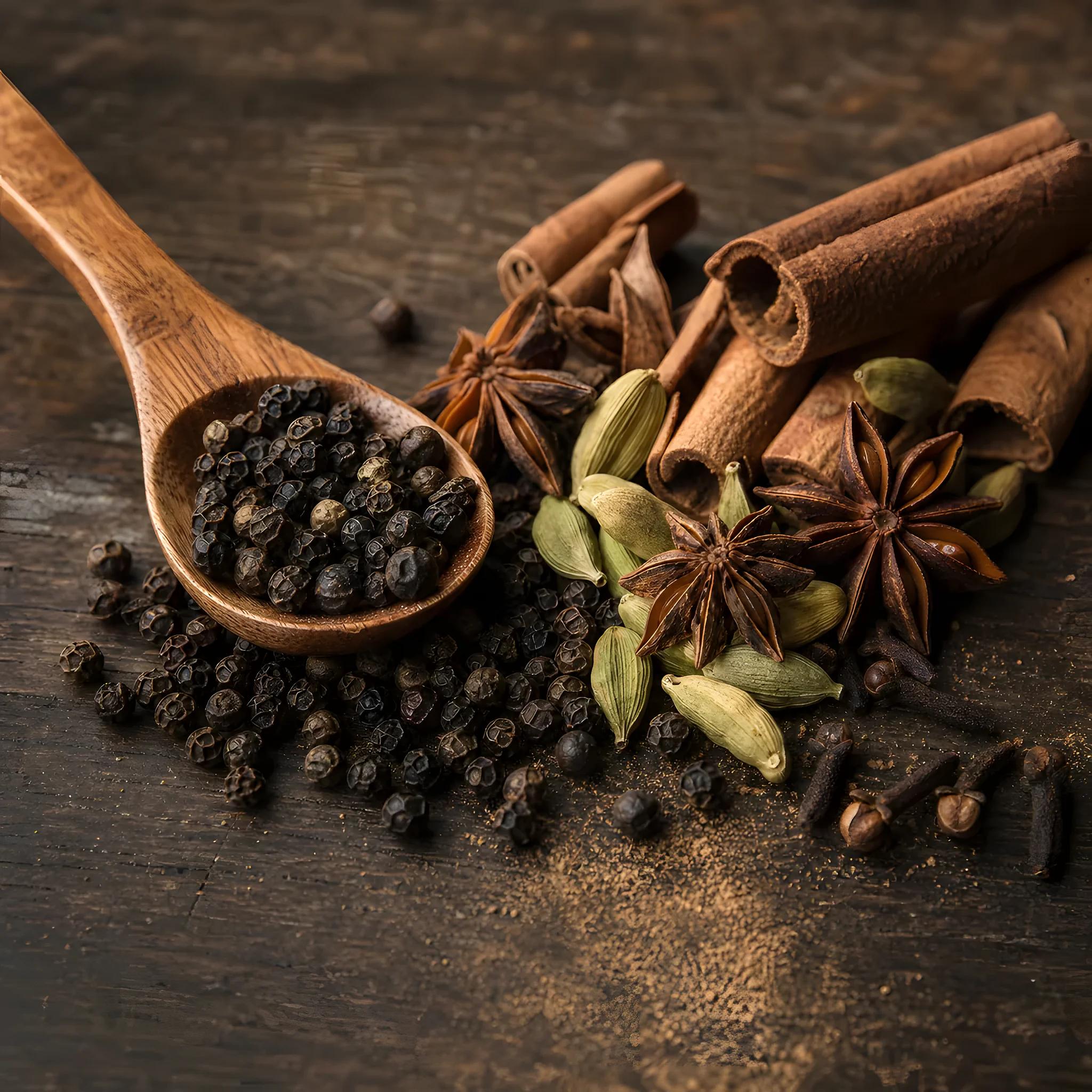
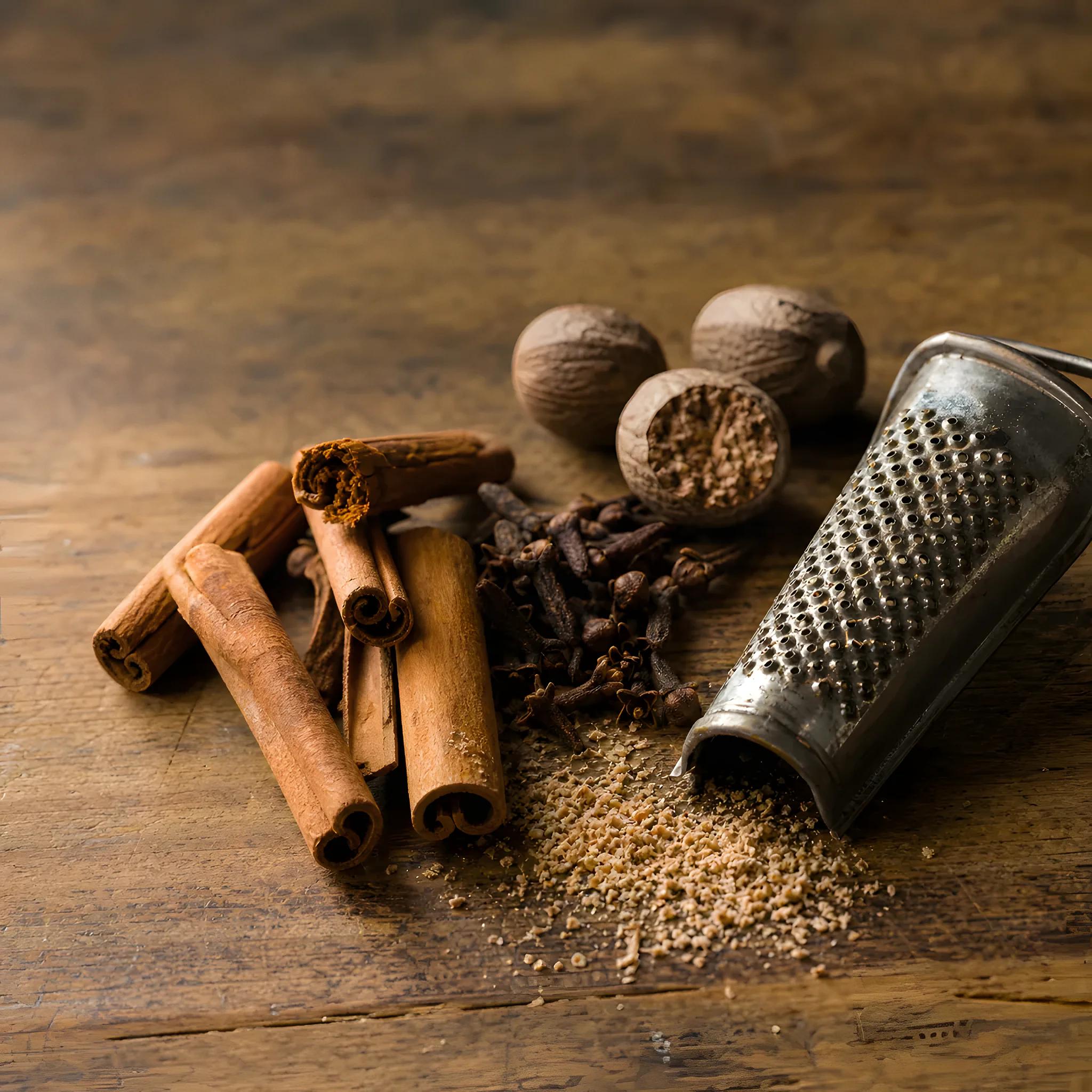
Whole cloves beside cinnamon sticks, three nutmegs, one cut in half, and a metal grater on a wooden table
Regulation7 min read

Cloves for Buyers: Latin Names, Market Names, HS Code and Labels

The texts read for this guide print at least five Latin names in their clove entries: Syzygium aromaticum (L.) Merr. & L.M. Perry. in a US pesticide crop table and Syzygium aromaticum in the Singapore National Parks Board plant record, Eugenia caryophyllata Thunberg in 21 CFR 184.1257, Eugenia aromatica in Malaysia's Food Regulations 1985, and Syzygium obtusifolium or Eugenia caryophyllus in Indonesia's BPOM Regulation 13 of 2023 (our translation of the BPOM wording). This guide sets out those names, the local names printed in Malaysia, Indonesia, Thailand, Singapore, China and Australia and New Zealand, the forms the texts define, HS heading 09.07, how clove can appear on an ingredient list, and what to ask a supplier.

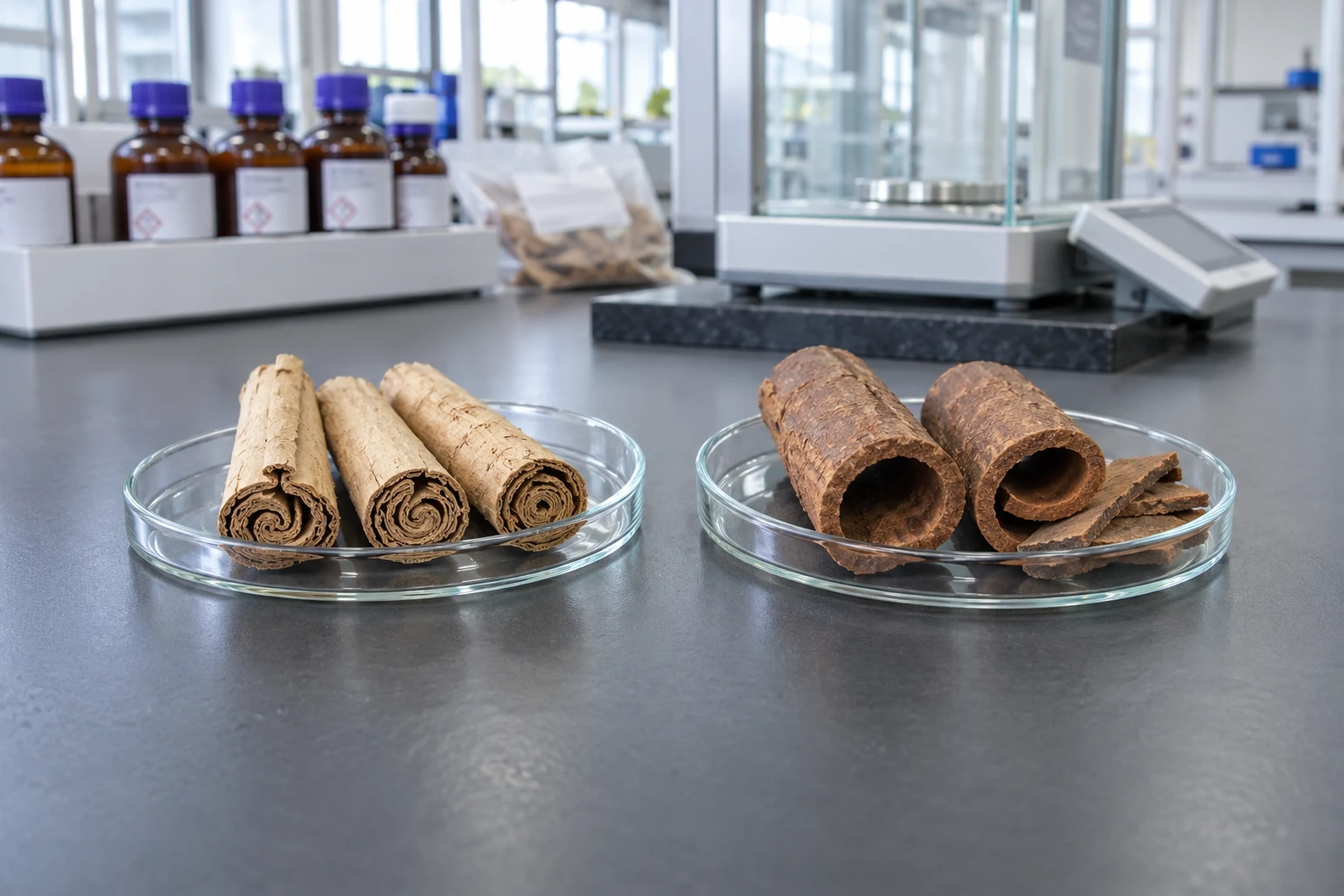
Thin layered cinnamon quills and thicker rolled cassia bark in two glass dishes on a laboratory bench, with a balance behind
Regulation7 min read

Cinnamon and Cassia for Buyers: Species, Market Names, HS Code and Labels

The official texts read for this guide do not split cinnamon and cassia the same way. Malaysia's Food Regulations 1985 (English text updated until August 2026) define cinnamon as the inner bark of Cinnamomum zeylanicum or Cinnamomum cassia, Indonesia's BPOM Regulation 13 of 2023 lists five names under kayu manis (our translation), and 21 CFR 182.10 (version of 7 October 2026) prints "Cinnamomum cassia Blume." against both "Cassia, Chinese" and "Cinnamon, Chinese". This guide sets out the species each text names, the names printed in Malaysia, Indonesia, Thailand, Singapore, China and Australia and New Zealand, the forms the texts define, HS heading 09.06, how cinnamon can appear on an ingredient list, and what to ask a supplier.

Never Miss an Insight

Product innovation updates and perspectives from our flavour scientists, delivered straight to your inbox.