
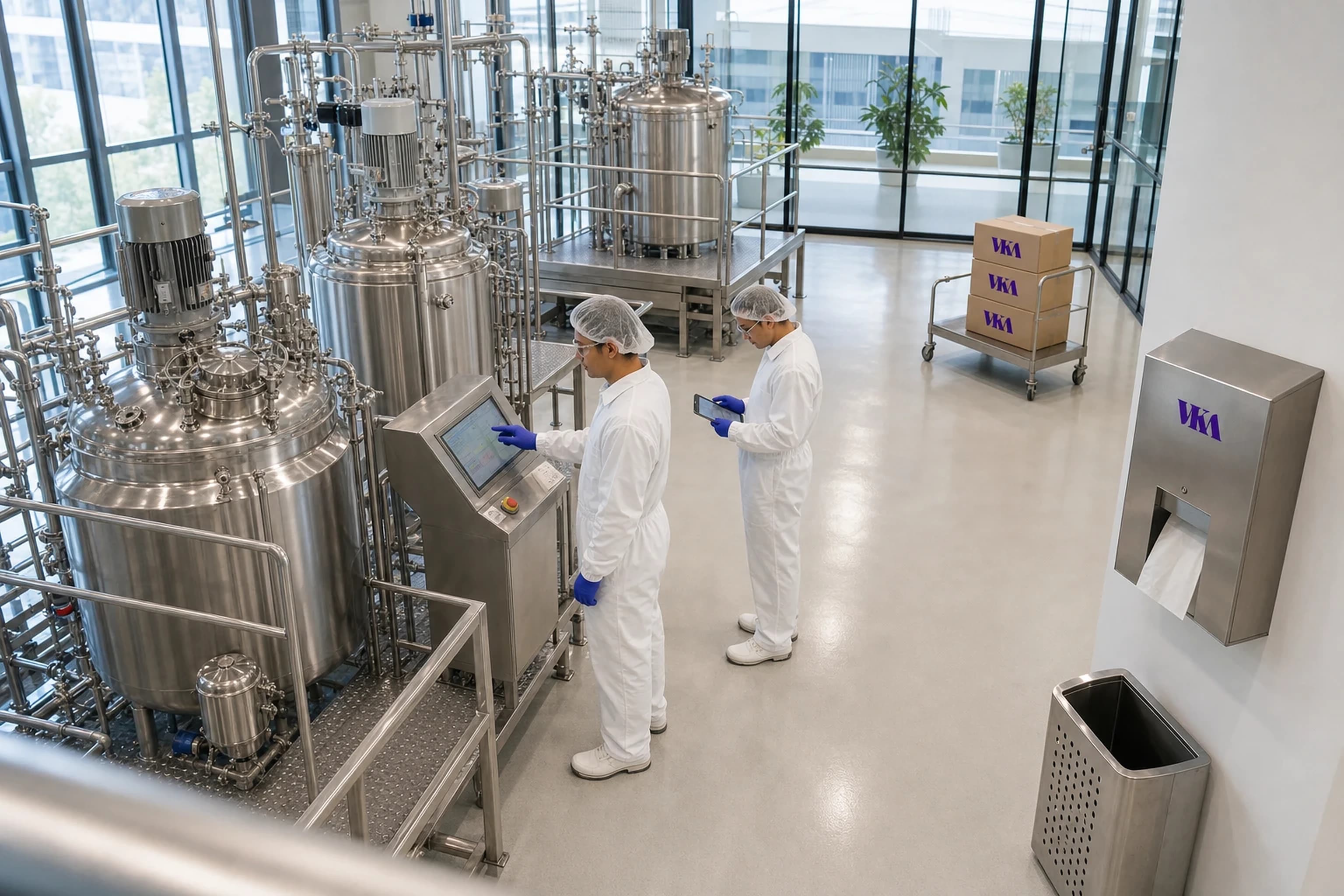
Less Wasted,
Batch by Batch
We would rather show you what we measure than what we pledge. The gains that matter in a flavour house are unglamorous: yield held, solvent recovered, energy not spent reheating, and product that never has to be remade.
Specific Beats
Aspirational
Sustainability claims in this industry have a credibility problem, and it is self-inflicted. Broad commitments with distant dates are easy to publish and impossible to check, so buyers have learned to discount them.
We would rather be narrow and true. A flavour house's real footprint sits in a few concrete places: how much material ends up in product rather than in waste, how much solvent is recovered rather than lost, how much energy a process draws, and how much packaging leaves the dock.
Those are things we can measure batch by batch and improve deliberately. Where we have not yet measured something, we would rather say so than publish a number we cannot stand behind.
Single Singapore site, no inter-site shipping of work in progress
Material that ends up in product rather than in waste
Solvent recovery and reuse rather than disposal
Four Places It
Actually Adds Up
The unglamorous places where a flavour manufacturer's footprint is genuinely decided.
Yield and Material Loss
Every kilogram that does not end up in product was made, heated, handled and then disposed of. Tightening transfer losses, line changeovers and rework is the single largest environmental lever we have, and it is also the one that shows up in cost.
Energy in Process
Heating, cooling and holding are where process energy goes. Right-sizing batches to the vessel, avoiding reheat cycles and sequencing production to reduce changeover cleaning all reduce draw without changing what the customer receives.
Packaging and Dispatch
We ship in the smallest compliant format that protects the product, consolidate where a customer takes multiple lines, and avoid over-specified secondary packaging. Under-packing that causes a damaged delivery is not a saving, so this is a balance rather than a minimum.
Sourcing and Traceability
Knowing where a material came from is the precondition for any credible claim about it. Our goods-in checking and sample retention give us documented traceability on what enters the site, which is where responsible sourcing has to start.
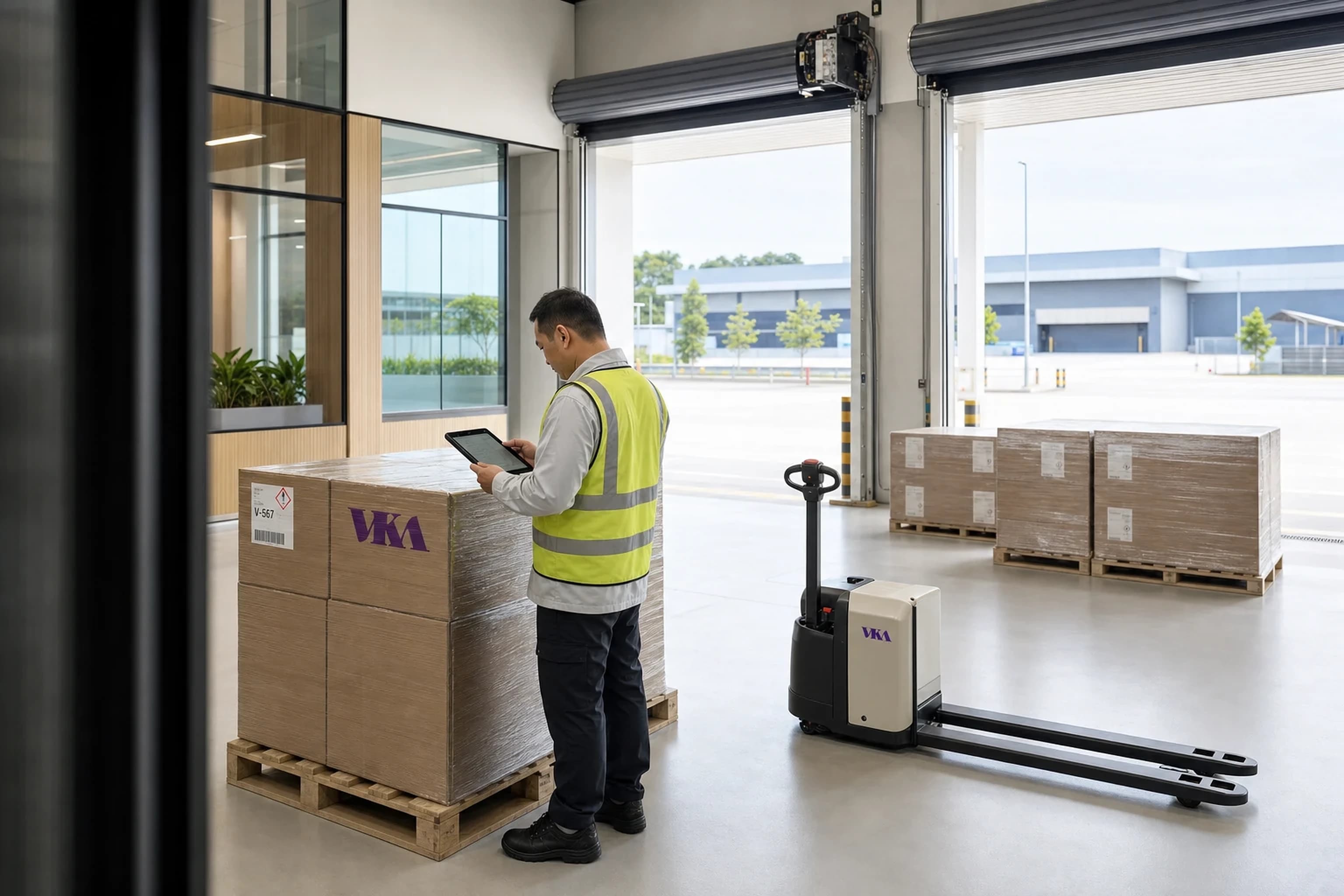
What We Work On
Concrete work in progress rather than targets for a date after which nobody will check.
Ask What We
Actually Measure
If you have supplier sustainability criteria to satisfy, send them. We will tell you plainly which we meet, which we are working on, and which we do not yet measure.