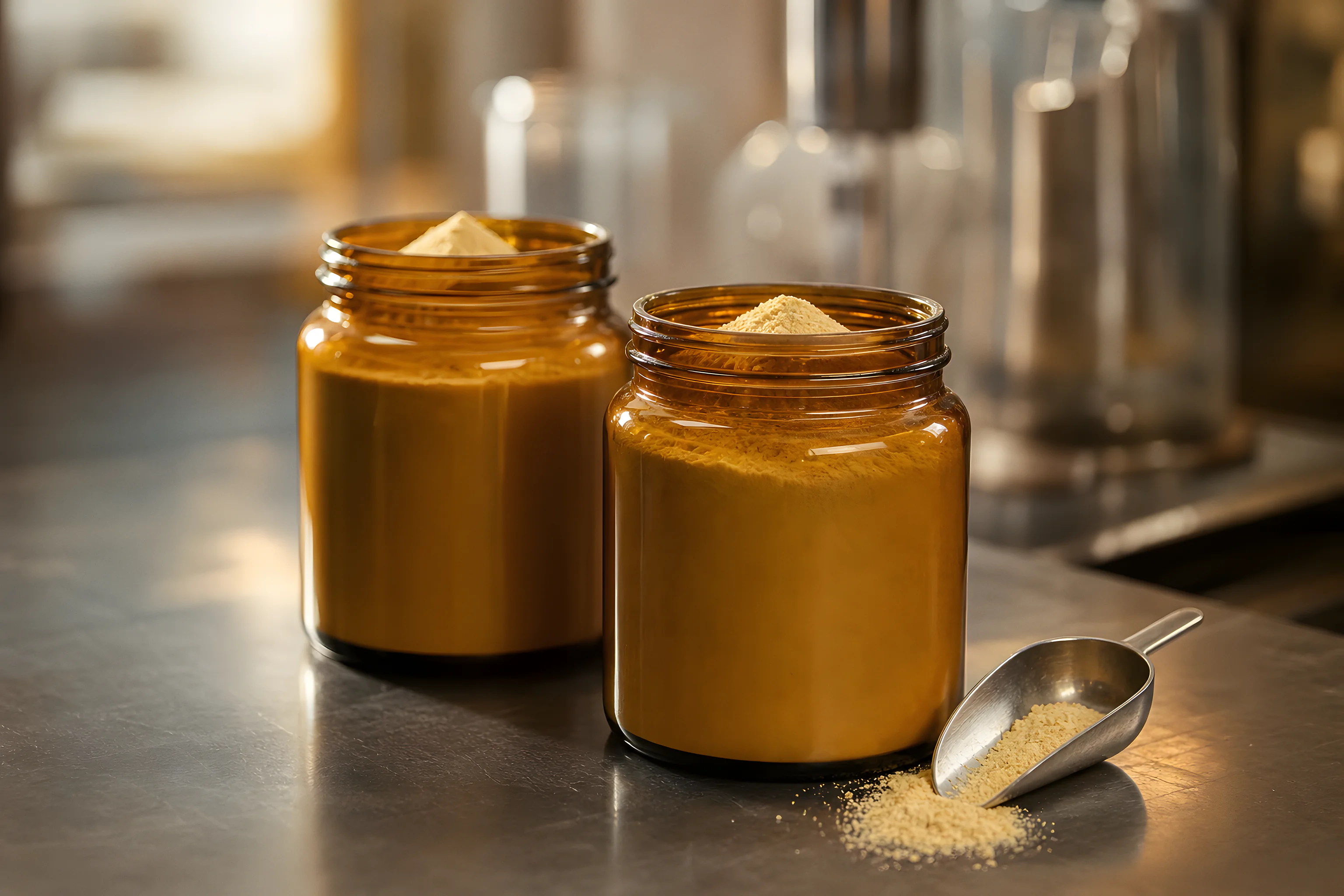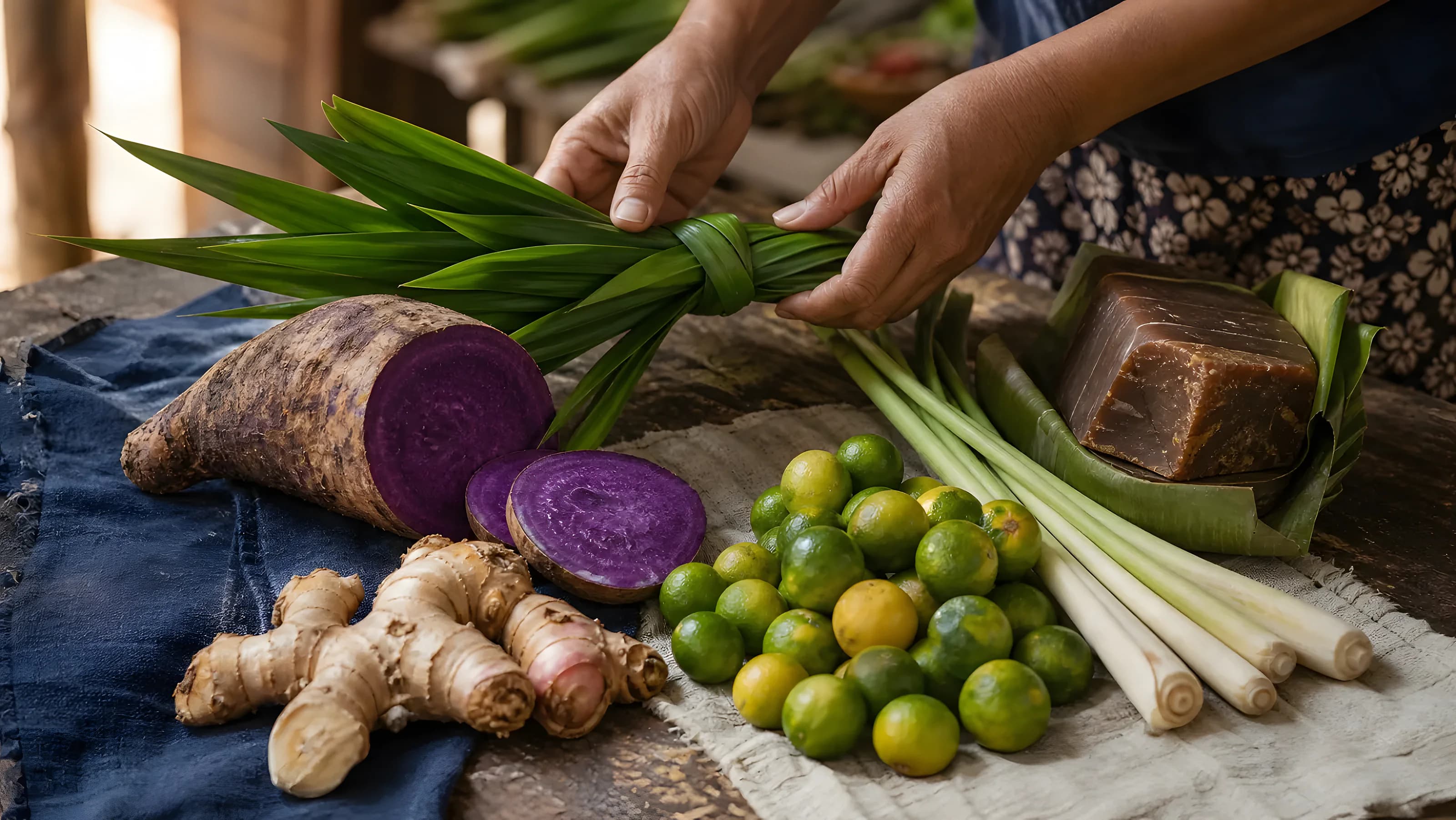
Tropical and heritage flavours are the fastest-growing category in ASEAN food and beverage product launches over the past three years. Where regional ingredients used to be confined to nostalgic or ethnic-aisle products, they are now driving mass-market launches across beverages, ice cream, confectionery, bakery, and ready-to-drink categories. Pandan, ube and yuzu have moved from nostalgic and ethnic-aisle products to fast-rising single-ingredient profiles in mainstream beverage, ice cream and confectionery launches. For product developers and brand owners, the question is no longer whether to consider tropical flavour profiles but which ones to prioritise and how to formulate them at industrial scale.
Pandan: The Breakout Flavour
Pandan (Pandanus amaryllifolius) is the breakout flavour of the past two years. Used for centuries in traditional Southeast Asian desserts (kueh, kaya, ondeh ondeh, nasi lemak as the herb itself), pandan has now moved into beverages (pandan lattes are now mainstream in Singapore, Bangkok, and Kuala Lumpur), ice creams (Magnum-format pandan-coconut bars launched regionally), and even Western category extensions (pandan-flavoured croissants in independent bakeries from Singapore to Manila). The flavour molecule is 2-acetyl-1-pyrroline, the same compound found in basmati rice and white bread crust, which gives pandan its distinctive sweet-grassy-vanilla note. Industrial pandan flavour preparation typically uses extracted leaf material combined with isolated 2-acetyl-1-pyrroline for shelf-stable use in beverage and confectionery applications.
Ube: From Philippines to Global
Ube (Dioscorea alata, purple yam) is the Philippines' breakout flavour for global markets. Domestic ube popularity has driven launches in Filipino-diaspora markets in the US, Canada, Australia, and Singapore over the past five years, with the visible purple colour driving Instagram-era adoption. Beyond the Philippines, ube is appearing in mainland ASEAN beverages, ice creams, and pastries. The flavour profile is subtle, sweet, slightly nutty, and earthier than taro, with the colour as much a selling point as the taste. Industrial ube flavour preparations typically combine real ube extract with the purple anthocyanin colour to maintain the visible identity through processing, which is the harder-than-it-looks technical challenge: ube colour shifts under heat and acidity, requiring careful pH management in beverage applications.
Calamansi: ASEAN's New Default Citrus
Calamansi (Citrus microcarpa) has become the dominant citrus profile across ASEAN beverage applications. Smaller and more aromatic than lemon or lime, with a unique sweet-sour-floral profile, calamansi is now standard in Filipino, Malaysian, and Indonesian beverage launches. Its growing presence in foodservice (calamansi juice as a default lemonade alternative) has pulled it into packaged beverage launches across the region. Industrial calamansi flavour development typically focuses on capturing the high-volatile lemon-lime top notes while preserving the deeper aromatic compounds that distinguish calamansi from generic citrus. Cold-pressed peel oils are the foundation, blended with carefully selected aroma chemicals to extend shelf stability without flattening the profile.
Yuzu, Gula Melaka and the Second Tier
Yuzu (Citrus junos), gula melaka (Malaysian palm sugar), pomelo, mangosteen, lychee, and finger lime round out the second tier of fast-growing profiles. Yuzu is the Japanese-origin citrus that has crossed into ASEAN premium beverages, confectionery, and ice cream through the broader Japanese cuisine trend; its complexity (combining grapefruit-like top notes with rounded mandarin and floral hints) makes it a difficult but rewarding profile to formulate. Gula melaka has moved from traditional desserts into beverages (gula melaka lattes, gula melaka ice creams) thanks to its smoky-caramel profile, which combines naturally with coconut and pandan in regional applications. Pomelo and mangosteen are emerging in functional beverage applications tied to wellness positioning.
Lychee, Finger Lime and Premium
Lychee and finger lime sit in the premium beverage and confectionery space. Lychee's floral-sweet profile is well-established in ready-to-drink teas, sparkling waters, and gummy confectionery. Finger lime, the Australian native citrus with its caviar-like vesicles, is now appearing in premium cocktail mixers, gourmet salad dressings, and high-end confectionery. Finger lime's flavour is more delicate than mainstream citrus, with a subtle yuzu-lime quality and a unique aromatic top note. As a finished flavour for industrial use, finger lime is typically delivered as a concentrated essence rather than a fresh-press extract, since the actual fruit is expensive and seasonally limited.
Supply Chain and Seasonality
Pricing and supply chain are the practical constraints. Most of these flavours are agricultural commodities with seasonal production cycles, regional weather sensitivity, and limited surplus. Pandan and calamansi are produced widely across ASEAN with relatively stable supply; ube depends primarily on Philippines production; gula melaka comes mainly from Malaysia and Indonesia; mangosteen, lychee, and pomelo are highly seasonal; yuzu is mostly imported from Japan and Korea. A manufacturer planning a launch around any of these profiles needs to confirm the flavour supplier's source-stability before committing to formulations and SKU rollouts. Reformulating mid-launch because the source crop failed is expensive and brand-damaging.
Pure vs Blended Composition
For brand owners, the formulation choice is between using single-ingredient profiles (a pure pandan, a pure ube) and blending traditional profiles into modern compositions (pandan-coconut, ube-buko, calamansi-lychee). The single-ingredient approach is purer and lets the heritage flavour speak directly to consumers familiar with the original ingredient. The blend approach broadens appeal to consumers less familiar with the heritage profile, and creates more space for product differentiation across competing launches. Both work commercially; the choice depends on the brand's market positioning and the maturity of the heritage profile in the target consumer base.
How VKA Develops Heritage Flavours
At VKA we develop tropical and heritage flavour profiles from individual aroma molecules combined with carefully sourced essences, calibrated for ASEAN palate expectations and the processing conditions of your specific product format. Pandan, ube, calamansi, yuzu, gula melaka, mangosteen, lychee, finger lime, pomelo, soursop, durian, jackfruit, and tens of other regional profiles are part of our active development library. Browse our Culinary Portfolio and Essences Portfolio, or talk to a flavourist directly about a regional flavour brief.