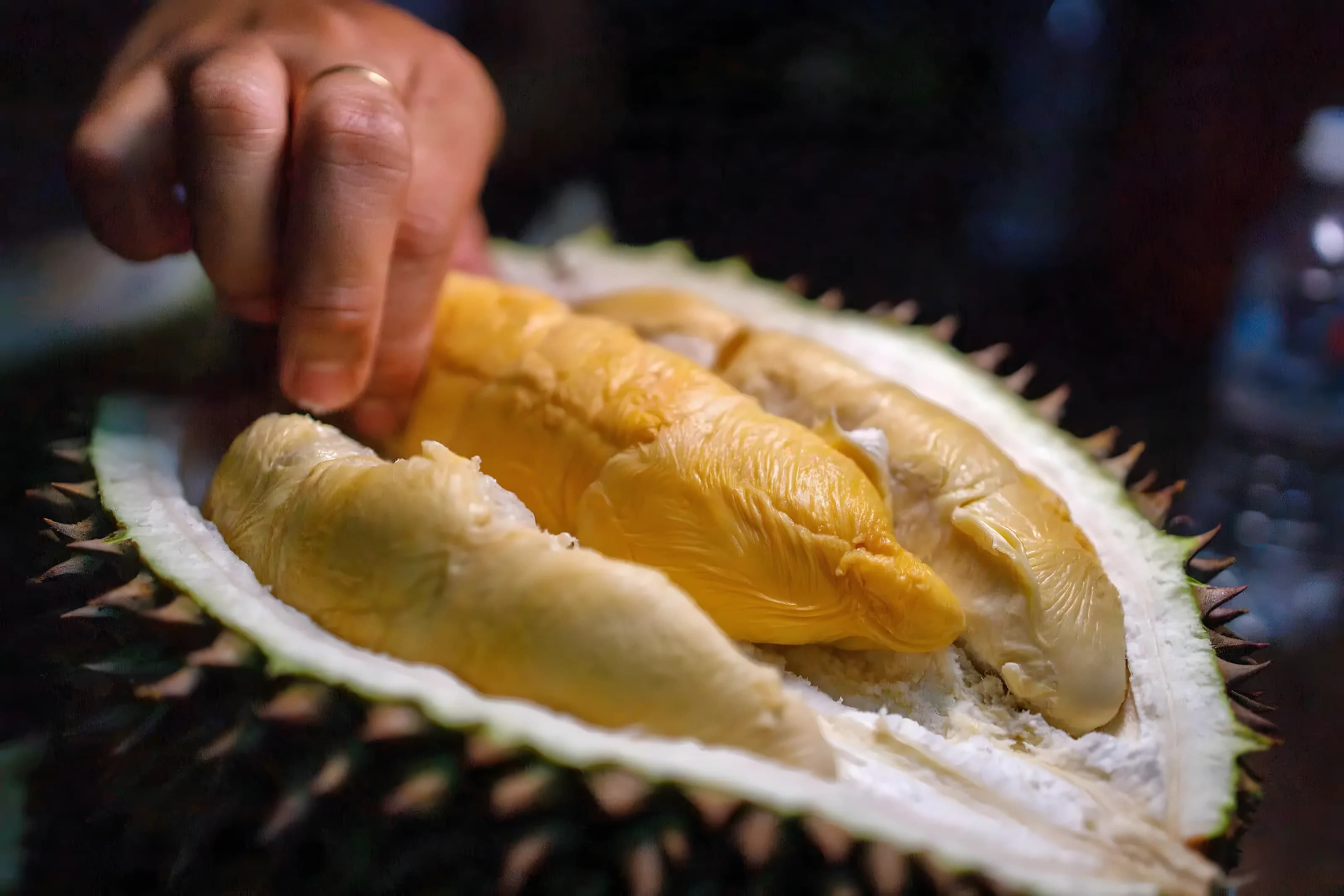
Taste is the top purchase driver across Southeast Asia. A 2025 Cargill study found that 70% of consumers are willing to pay more for unique tastes, with 82% valuing a "super-sensorial" experience and 79% willing to pay a premium for distinctive textural experiences. But what resonates in one ASEAN market can fall flat in another. The region's 680 million consumers span dozens of culinary traditions, religious dietary frameworks, and ingredient preferences that cannot be reduced to a single profile.
A Region of Contrasts
Southeast Asia is not one palate. Thai consumers gravitate toward bold, spicy, and sour combinations. Filipino consumers prefer sweet and creamy profiles. Indonesian palates favour rich, savoury, and coconut-forward flavours. Vietnamese consumers are drawn to fresh, herbal notes. Snack brands are responding by turning up the heat and celebrating regional specificity: salted egg, rendang, Sarawak white pepper, kaffir lime, and Philippine adobo are all gaining traction as flavour concepts in modern product formats.
Gen Z is leading the experimentation. Broader consumer research shows 32% of Gen Zs love trying new types of foods and cuisines, with 50% wanting more meals with unique flavours. This generation is driving demand for fusion profiles like ramen carbonara, Korean corn dogs, and matcha-durian combinations that would have been unthinkable a decade ago. Social media amplifies these trends rapidly, turning a single viral food concept into a regional product launch opportunity within weeks.
Heritage Flavours Going Mainstream
Traditional regional ingredients are moving from niche to mainstream. Pandan, ube, gula melaka, calamansi, and tamarind are appearing in modern formats: premium ice creams, ready-to-drink beverages, craft chocolates, and artisan bakery. Malaysian craft chocolate makers are infusing local cacao with pandan and gula melaka. Singapore's kaya brands are reinventing the traditional coconut jam with ondeh ondeh inspired flavours. These are no longer nostalgic curiosities; they are category drivers generating real revenue growth.
The fruit landscape is also shifting. While lemon, orange, and lime still dominate refreshment categories, tropical varieties like lychee, mangosteen, blood orange, yuzu, pomelo, and finger lime are emerging in premium beverage concepts. Brands connecting these fruits to functional benefits like hydration and immunity are seeing the strongest growth, particularly in the ready-to-drink and enhanced water segments.
Implications for Product Development
For brands distributing across multiple ASEAN markets, the temptation is to create one formula for the region. The data suggests this rarely works. Products calibrated for local palate preferences consistently outperform pan-regional formulations. 67% of ASEAN consumers consider country of origin important, and 65% are willing to pay a premium for local Asian ingredients. A mango drink formulated for Thai sweet-sour expectations will taste different from one calibrated for Filipino sweet-creamy preferences, and both will outsell a generic "tropical" version.
What GLP-1 Medication Measurably Changes
A second force is now measurable. GLP-1 medication changes what goes into a basket, and Danish supermarket-receipt data gives the size of the change: after initiation, mean energy density fell from 209.4 to 207.3 kcal per 100 g, “sugar from 15.7 to 15.1 g/100 g” and protein rose from 6.6 to 6.9 g per 100 g, across 293 initiators against 884 matched comparisons and roughly two million receipt purchases. The authors describe the effect as modest at the individual level. A separate 60-week randomised trial of semaglutide 2.4 mg measured participants consuming a mean of 291.9, 240.2 and 269.5 kcal less than placebo at weeks 20, 40 and 60, with reduced responsiveness to the rewarding value of food at weeks 20 and 40 even as the subjective appetite difference faded.
It Is Not a Taste Disorder
The change is not a taste disorder. A 2026 review in Frontiers in Nutrition concludes that current evidence “does not support a consistent primary impairment of basic gustatory function during GLP-1RA treatment”, and locates the change instead in food revaluation and reduced reward-driven motivation. A real-world prospective cohort found that diet quality did not significantly improve and “food cravings were unchanged overall”, with the authors describing their own findings as exploratory. So the formulation consequence is not more flavour to compensate for a lost sense. It is that a smaller quantity of food has to deliver the whole eating experience, which is an intensity, release and satiety brief rather than a health-claim one, and none of the above is a claim a flavour supplier may make about a product.
The Philippine Steviol Exemption
One tax line is a taste-profile driver in its own right, and it is specific to the Philippines. Section 150-B of the National Internal Revenue Code, as inserted by the TRAIN Act, levies six pesos a litre on sweetened beverages using caloric or non-caloric sweeteners, and twelve where high-fructose corn syrup is used, with the proviso that “sweetened beverages using purely coconut sap sugar and purely steviol glycosides shall be exempt from this tax”. Purely is doing the work in that sentence: a blend forfeits the exemption. That is a six-peso reason for a Philippine beverage to be stevia-forward or coconut-sap-forward, and it is also a reason for the sweetener off-note work that goes with it, because the exemption is only worth having if the drink is still pleasant. The rates have not moved since 2017.
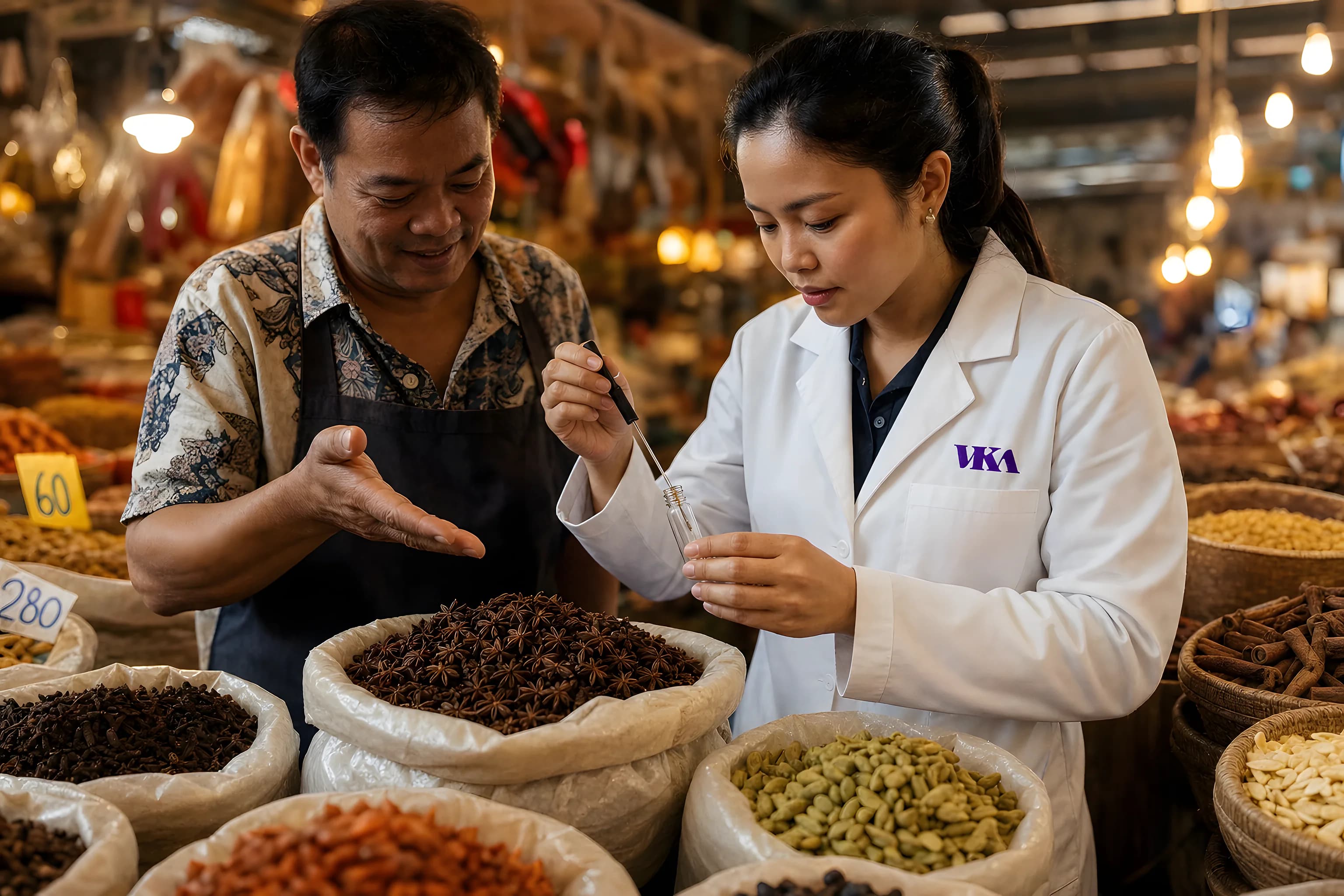
Understanding these regional differences at the formulation stage, not just the marketing stage, is a real competitive advantage. VKA's Culinary and Essences portfolios are built on decades of ASEAN palate expertise, with flavour profiles developed specifically for the region's diverse taste preferences. Explore our Culinary Portfolio and Essences Portfolio.
Sources
- Cargill Southeast Asia Indulgence Study 2025 (taste, sensorial, and origin statistics)
- FoodNavigator-Asia - super-sensorial growth category in SEA (Cargill study coverage)
- The Hartman Group via SupplySide - Gen Z food and beverage preferences
- Sorensen et al., Consumer Food Purchases After GLP-1 Receptor Agonist Initiation, JAMA Network Open 9(1):e2555449 (26 January 2026)
- Chao et al., Short- and long-term effects of semaglutide 2.4 mg on energy intake, appetite, and food reward, Am. J. Clin. Nutr. (August 2026)
- Altered eating experience during GLP-1 receptor agonist therapy: a sensory-liking-wanting framework, Frontiers in Nutrition (17 July 2026)
- Changes in food cravings, dietary quality, body composition and dietary intake during GLP-1 receptor agonist therapy (CRAVE study), Obesity Pillars (September 2026)
- Republic Act No. 10963 (TRAIN), s.47 inserting NIRC s.150-B on sweetened beverages